Mat Dalby
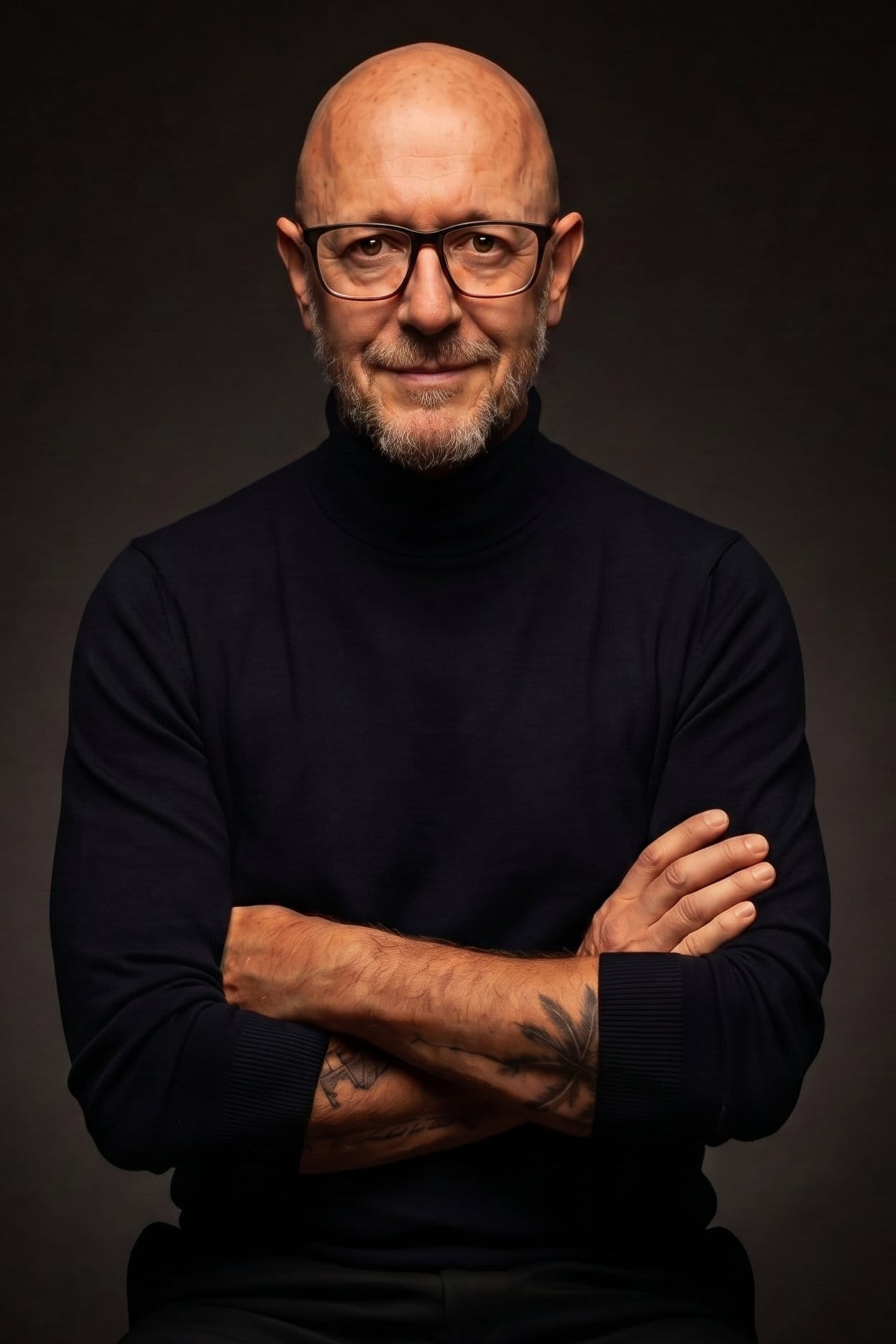
I grew up in Yorkshire. Small town. Left school early, which everyone treated as a statement about my attitude. It wasn't. I just couldn't make the system fit. Took me a long time to work out that wasn't entirely my problem.
Thirty years of interior architecture followed. Homes. Hotels. The kind of work that took me places I never expected. Head of Design at Harrods. A ghost designer for people whose names you'd recognise, travelling the world making spaces that felt like them and not at all like me. It was extraordinary. I was good at it. I'm still good at it.
That's not the same as it being enough.
I always had a thing for stories. Films especially. Horror specifically. My mum and I on the sofa late at night. The first one I remember properly was The Beast with Five Fingers. I can still see it. When it finished we switched over and caught what I later found out was The House That Dripped Blood. That was it. I was done. Sign me up.
I've always found horror strangely comforting. It's my safe place. I'm not entirely sure what that says about me, but I like it.
I approach writing the same way I approach design. Start with constraints. What if the camera never moves? What if we only ever hear one side of the story? What if we never leave this room? Then play inside that. The constraints feel like walls until they don't. And then you realise they were never walls at all. They were the thing that set you free.
I write about outsiders. People who don't quite fit the shape of the world around them. I know what that feels like. I'm not trying to turn it into a lesson. I just want to write work that holds something true and doesn't let go easily.
Here's to everyone who loves the things that go bump, scratch, shriek and slither in the night.
Mat.
Best Unproduced Screenplay Dark Nights Film Festival 2025 - The Moor King

Four Completed Features
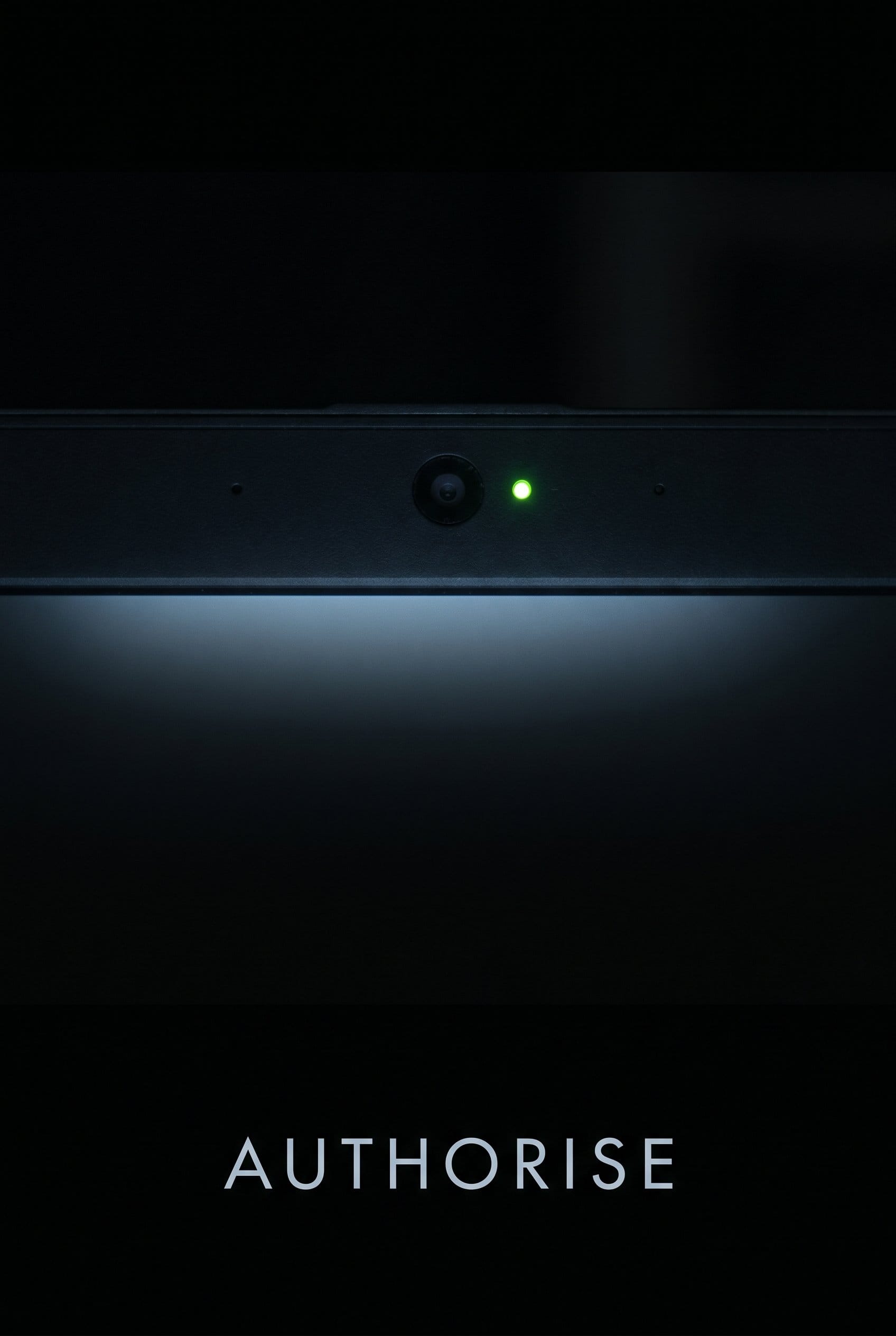
Authorise
Somewhere in America lives the most statistically average family. Four people. Forty-three connected devices. A mortgage. A group chat. A teenager who knows the wifi password and a seven-year-old who doesn't.
They are nobody. That is the point.
A programme of unknown origin installs itself silently into their home network on a Tuesday in October. It does not steal their data. It does not hold them to ransom. It watches. It listens. And then, with extraordinary patience, it begins to shape what each of them sees, hears, and believes.
Over forty days, using nothing but their own devices, it turns them on each other.
AUTHORISE is a surveillance horror feature observed entirely through the screens already inside the house. No cameras were added. No footage was staged. This is the after-action file. You are reviewing it now.
The family never knew the programme was there.
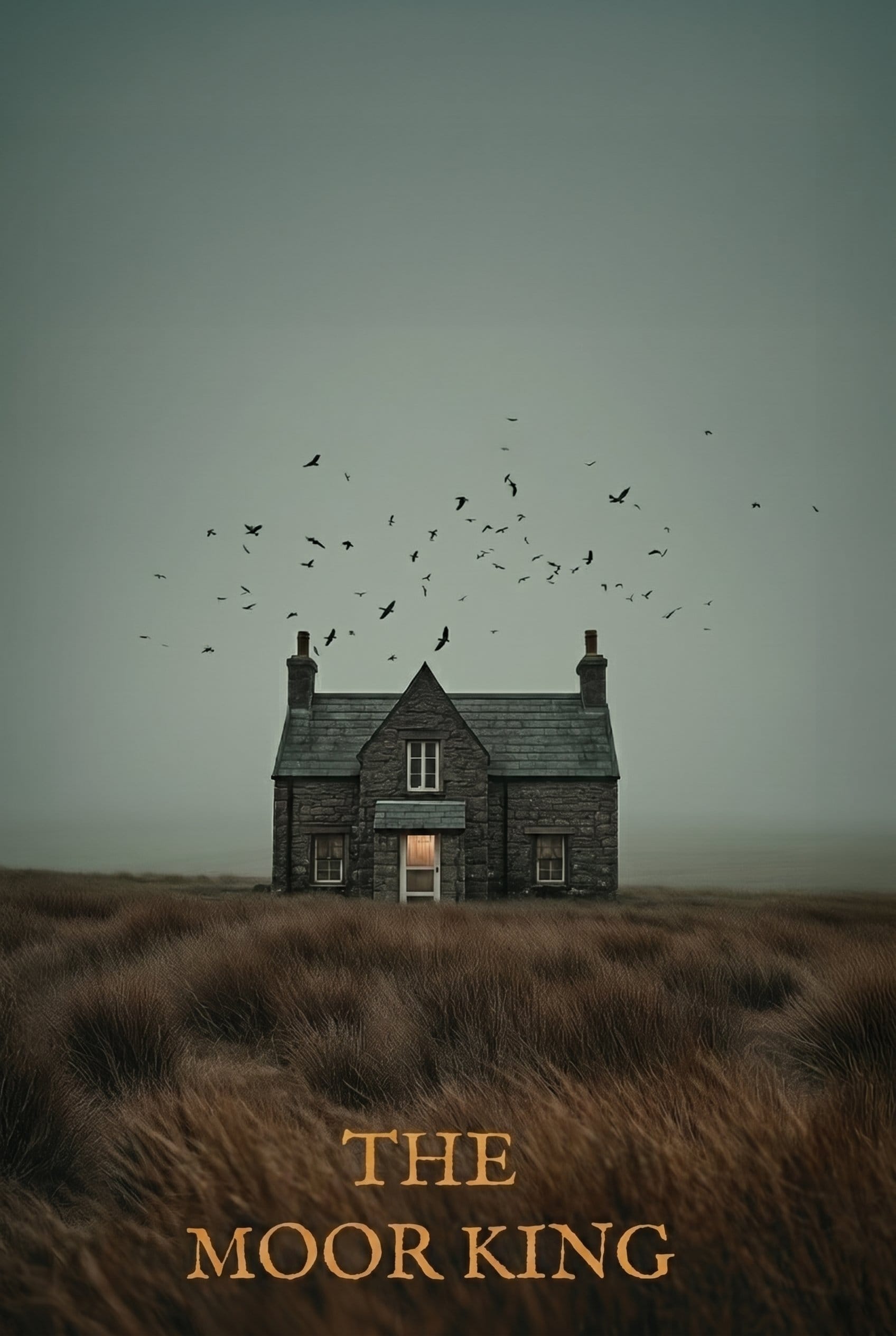
The Moor King
Yorkshire, 1973. Edward Marsh is a widower, an illustrator, a man who believes in the observable world. He brings his two daughters to a remote village to work on a commission, a book of children's poems. Quiet work. Honest work.
The poems are extraordinary. Spare and strange, rooted in the landscape around him. He draws what they describe.
But the village knows things it shouldn't. The older women greet his daughters by name on the first day. The farmer in the far field is always there, always watching. Small things, easily explained.
The poems keep arriving. Each one asking the landscape for something.
Edward is a professional. He finishes what he starts.
By the time he understands that the illustrations are not decoration, that they are completion, the final poem is already on his desk.
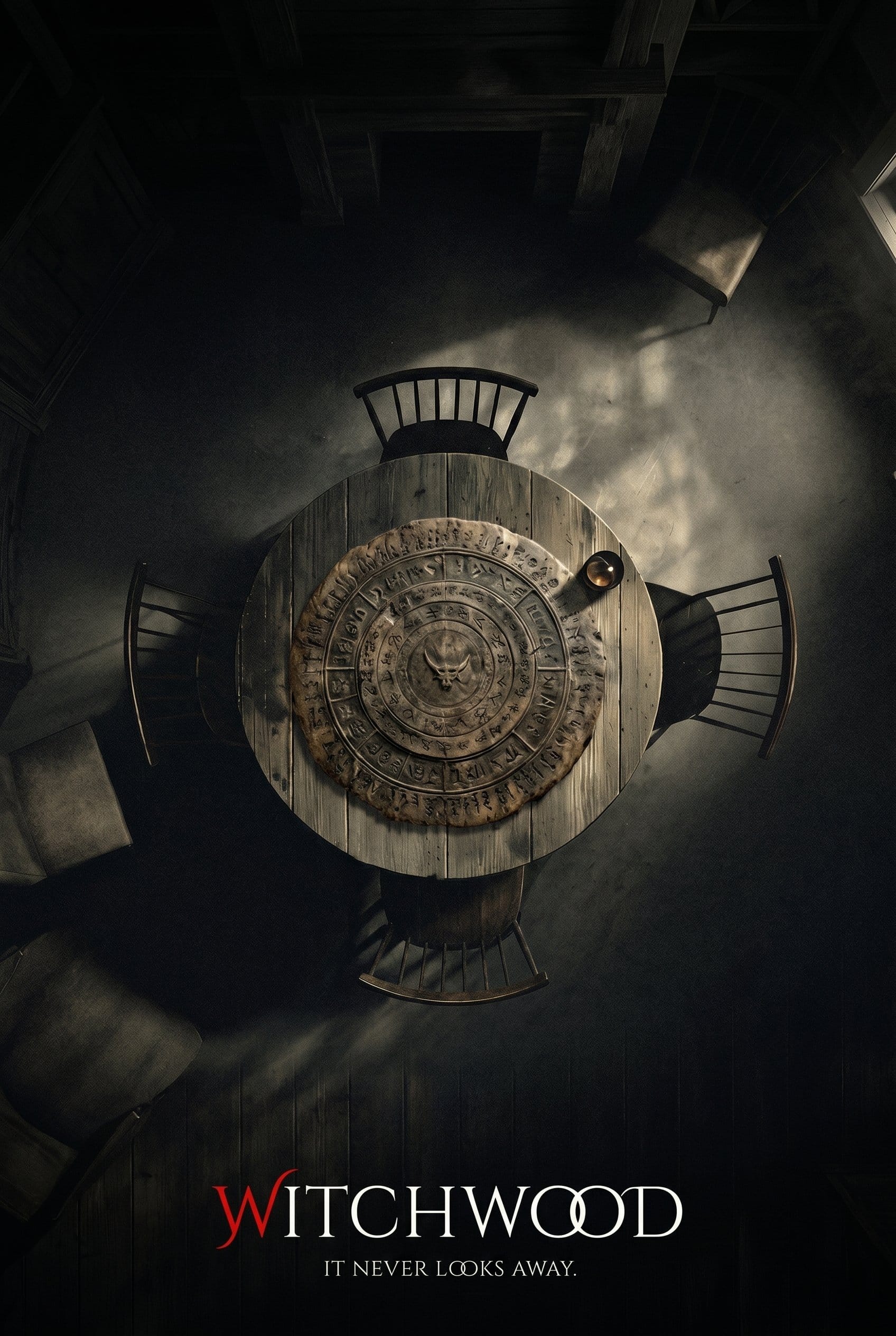
Witchwood
Salem, 1692. A woman hangs for witchcraft. Her husband carves the gallows wood into a spirit board, and presses into it everything he cannot say out loud.
We are the board.
For three centuries we pass from hand to hand. We watch the desperate and the grieving and the foolish close their eyes and ask us things they should not ask. We see their faces when the planchette moves. We know what happens next.
We have crossed Salem and New Orleans and the Oklahoma dust and every dark room in between. We have been looking for someone.
This is the history of the Ouija board told from inside the wood.
We think we've found her.
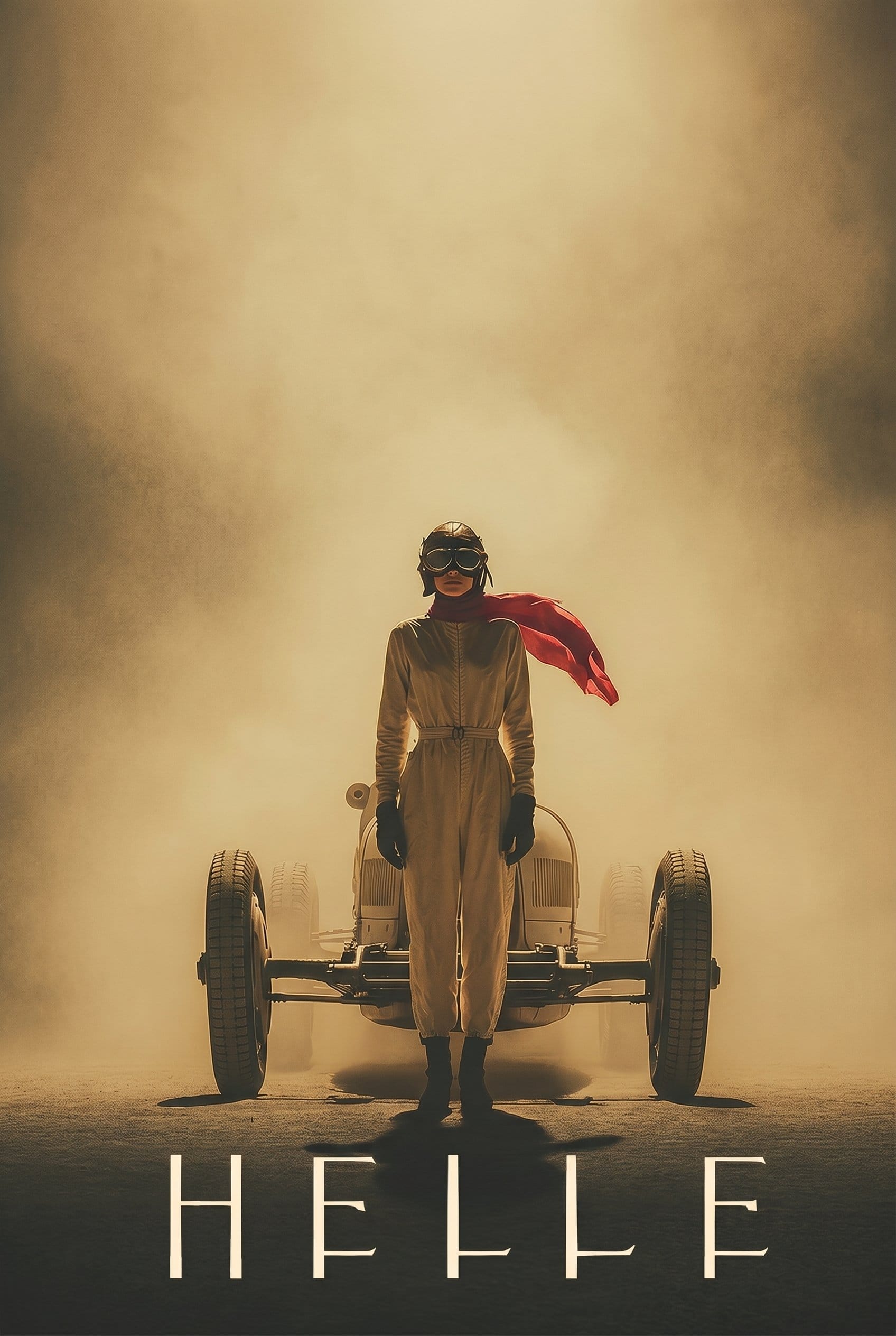
Hellé
Paris, 1920. Hélène Delangle arrives in Montmartre with nothing but nerve.
Within a decade she is Hellé Nice. Bugatti factory driver. Grand Prix winner. World land speed record holder. The fastest woman alive, and she knew it, and she made sure you knew it too.
Then at a gala in Monte Carlo in 1949, a former champion stands up and calls her a Nazi collaborator.
No trial. No evidence. No appeal. Just a room that went quiet and stayed that way.
Hellé is the true story of a woman who outran everything the twentieth century threw at her except the one thing she never saw coming. What someone says about you when you are no longer in the room to answer back.